My latest in the Blogger to WordPress transition

My old header on the old blog. Le sigh.

Yes, I still miss Blogger.

But it’s less now that I’ve moved all of my content from Blogger to this site (this is a WordPress.com site for now).

Now that all my content is here, I’m going through them and keeping what’s still relevant because, let’s face it, do you really want to know about a prize pack I gave away three years ago? I didn’t think so.

One of the lessons I’ve learned that has floored me is the comparison of stats between the Blogger site and this one. Since I stopped blogging at that site, page views have gone down, which isn’t that shocking but this is.

In the month I have been blogging here consistently, the amount of page views are nearly the same as my other blog. I dove into the stats and saw some big differences. Here’s what I’ve observed.

Referrers

My big referrer to the Blogger site was still Google. All kinds of Google from everywhere — Mexico, Canada, England, etc.  In the five years I had been with the platform, I built up enough Google juice to keep some half decent traffic going even while I wasn’t blogging there all the time.  Even when you Google my name, Writingtoinsanity.com is still the first thing you see. This blog is on the first page but ranked lower. (Suggestions on how to increase ranking is much appreciated, by the way.)

For IcessFernandez.com, the top referrers have all been social media sites. Twitter, Facebook, Stumble, and Pinterest have been contributing to the traffic here. There’s been very little Google juice. That has been interesting. I think this talks to the power of social media. There is something to be said when trying to build a community around your blog and reaching out that way. You gotta go where the people are. Interesting isn’t it? One blog is where people came to, the other goes to the people. Different strategies but similar results.

Posts

I have not written a new post on WritingToInsanity.com since June. Yet, people are still accessing the content. Some of my big posts are ones I wrote earlier this year. In particular, the post about what every creative person should do right now. Here’s the post as it was transferred to this blog.  Not sure why this has been the big post in the past month since the stats don’t break down referrers to individual posts. Perhaps another blogger picked it up since there is traffic from other blogs since coming to the site.

The big post here? It’s this interview I did with Kelsye Nelson. This one gained a lot of traffic from social media and was retweeted and shared lots of times. This is where I think social media has helped with traffic on this blog. The second most popular post was the one about Graham Greene and the short story, which broke down some writing lessons from the author. Both contained really good information about writing. I also consider these two post my best on this site.

Blog followers

Without a doubt I have more blog followers here than I did at WritingtoInsanity.com and I worked on it for 5 years. I think it’s probably because WordPress bloggers can easily follow their favorite blogs and get them in their email. Following on Blogger can include an email from your favorite blogger but even with it’s integration into Google + there wasn’t very much sharing.

Conclusion

Not quite sure what the conclusion is to all this information I’ve gathered. On one had, I haven’t written a thing since June on one blog and I have decent traffic on it, while on the other hand I’ve written more on this one and gotten about the same amount of traffic.

However, the sources are different. The referrers are different for each so I’m wondering if it’s new audience vs existing audience that I’m looking at. Well, existing plus Google love.

The most consistent thing about these findings is that useful posts get traffic. Period. People want posts that will help them be better at what they do. The posts that have gotten high traffic on both my blogs have been those that have a lesson in them or a bit of information that will make them better writers. They are also the ones that take in mind my writing process or the process of the writers I’ve interviewed. This is amazing news because I really do try to put together posts that will help people be better writers.

One thing is for certain, this has been an interesting transition from one platform to another. For the folks that make the change, did you see a similar pattern? What do you guys think of some of the patterns I’ve seen in the stats?

How to write a lot and still keep your sanity

Three story ideas ripped from the headlines
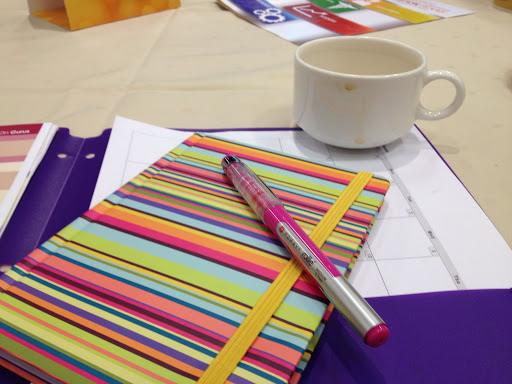
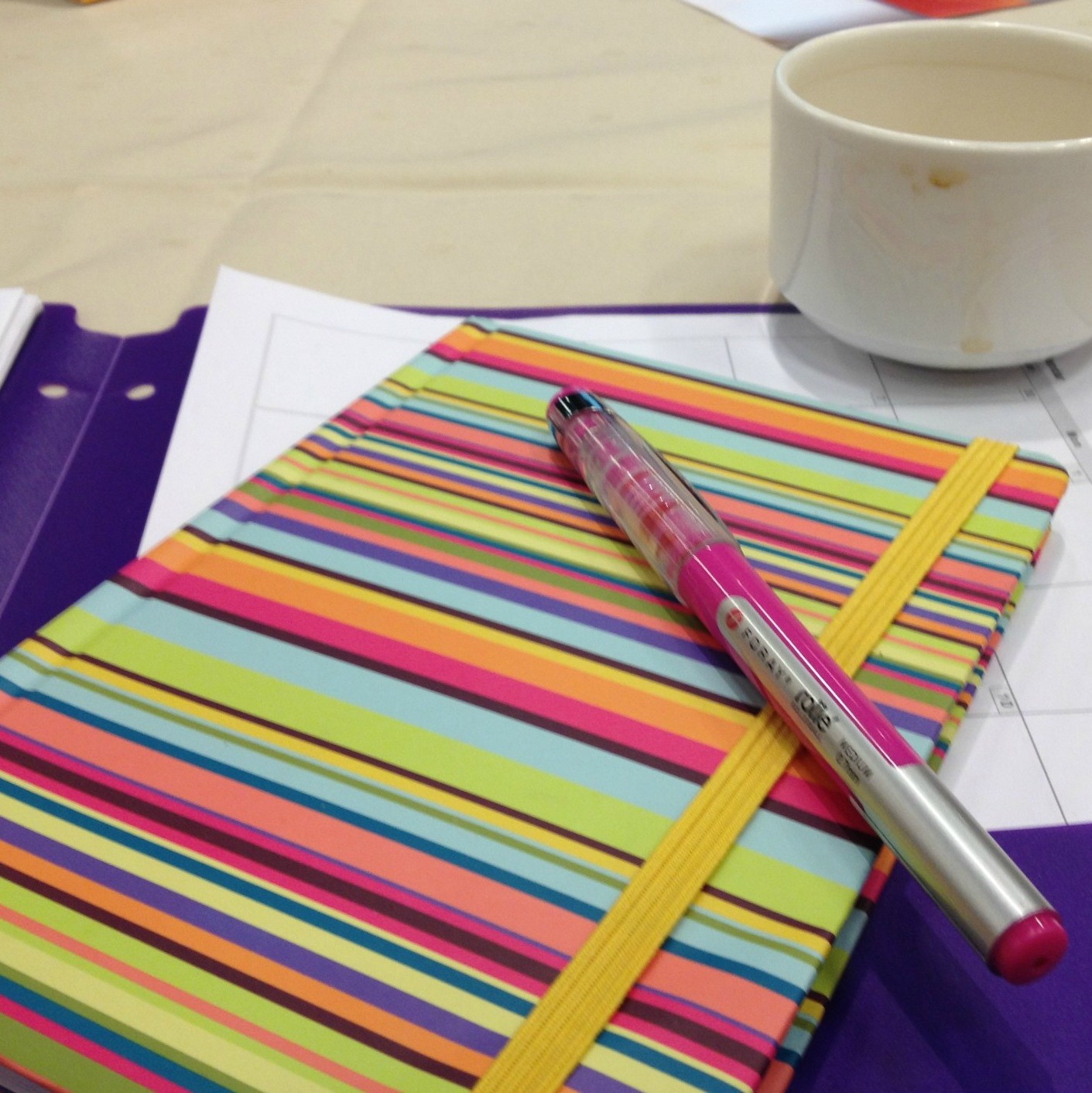
Calendar, notebook, pen, and coffee? Yup, ready to write.

One of my commenters, Alta Peterson who has a fantastic blog, asked me recently about how I’m able to  write and publish blog posts so often.

Well, Alta. Here’s the answer. I have no life.

No, just kidding. I totally have a life.

Alta isn’t the first one who has asked me about this. Friends are always wondering about how I am able to write on my novel/short stories, blog, tweet, and have a full time job at the same time. I’ve always said that I don’t sleep. But that’s not true either. Kinda.

I observed myself (that’s a weird sentence) for a bit and figured out what I do. How am I able to write so much so often? Here’s how.

1.)  Time, time, time is not my friend. 

I have to make time. I know, it’s such a matter-of-fact thing to write but it’s true. At work, I look forward to coming home to write and in the morning I wake up wanting to write, so there’s the overwhelming desire to write all the time, which is helpful.

Sometimes I get up early to write but mostly I listen to my natural writing rhythm, which every writer has. That rhythm tells you the best times of the day or night you’re most creative. I know my rhythm is early morning (5 am-7am), late at night (10 pm-2am), and later in the afternoon because of so many years in newspapering (3 pm-5ish). I try to get things done around those times.  If I’m home from work, I can write any time in the morning before noon. I’m rubbish after that.

Five nonwriter things writers need
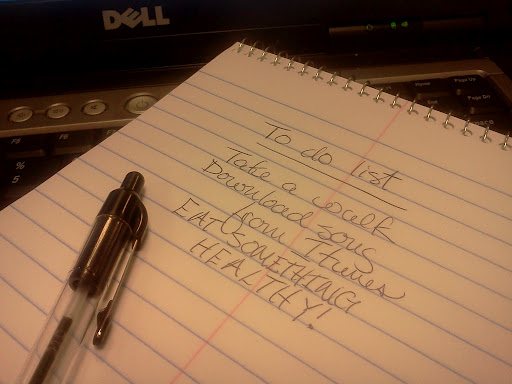
Yes, this is an actual to do list from my past. It’s all on my phone now.

2.) Planning just about makes perfect. 

Because I know when my creative windows are, the other times are for planning. By planning I don’t mean plotting out stories or working on my editorial calendar, though sometimes that happens.  That’s when I actually do some living — practicing yoga, watching Doctor Who, going to work, etc. While you’re working on other things, sometimes you’ll get ideas for things for the blog and for writing. When I get those ideas they instantly go in my Evernote (amazing app that you must get).  In fact, I found a new direction for one of my projects while doing something non-writing related.

It’s during this time that I also get ideas for things I should do. That’s when things get into my Wunderlist app (awesome to do list app). I have several to do lists that are continuous. For example, I have a blogging to do list and it has stuff like figure out how to get more Google juice for the site or check out such and such’s blog.  Usually these don’t have due dates, I get them done as I have spare time like the commercials in shows or the time it takes to brew coffee.

3.) I read. A lot. At least I try to. 

Good writing comes from good reading so I try to get my hands on as much stuff to read as possible. That is to the determent of my sagging bookshelf unfortunately. Ironically, I have more difficulty trying to find time to read than write. (Don’t tell Stephen I said that.) But, I do force myself to even if it’s during my writing times. Lately this has been easy since I’ve been focusing a lot on the short story which means I can probably read something in about 20 minutes, depending on the length of the story. For novels, I take it one chapter at a time.

When I read, I get inspired to write and I also get ideas. This is such a crucial part of my process that I feel guilty when I don’t read.

That’s it. This plan isn’t foolproof but it works for me and it allows me to write a lot and stay sane. Through this entire thing I have to remember that I’m a person and not a machine so I will make mistakes. I may do more writing than reading or may not put that great idea into Evernote right away. When that happens, I have to forgive myself and keep going because writing is a process. There are goals but never a destination.

Question: How do you find time to write? What tips do you use for craving out writing time.

3 things I learned at Latism

DSC02251
Just awesome.

What a difference a year makes!

This week, the group Latism (Latinos in Technology and Social Media) will have its annual conference in New York. I am filled with unspeakable rage sadness that I couldn’t attend the festivities this year.

I attended last year’s event in Houston and let me tell you, this was an eye opener. I’d been to journalism conferences all my adult life but this was different. This wasn’t about how to cover a story but about blogs.

Not just one type of blog but all kinds of blogs. Blogs I’ve read and others I’d never heard about. My eyes were opened to a whole other world and in the time since that conference, I’ve trying to keep these three lessons in mind.

1.) A blog is a business. 

Nely Galan said don’t buy shoes, buy buildings. Get your own chips to play in the game. Been gaining my own chips ever since. The building? You’re reading it.

This was the first time I realized that this blogging game isn’t really about writing your thoughts and having them float out in the interwebs. No, my friends. This was about business and your blog can be your business. You can easily become an entrepreneur with a domain and a credit card.

Granted this is an easier concept if, say, you’re a food, travel, and/or fashion blogger. What about blogging writers? Yes, this is a business as well because one day we’ll be selling books and we can easily do that from our blogs. That doesn’t happen over night, you have to put the work into your blog just like you put it into your writing. So there. Blogs = your business.

This was the lounge we could lounge in. Why isn’t anyone there? Everyone was too busy learning.

2.) Blogs are a responsibility

Because blogs = business, it’s also a responsibility. Not blogging for a long while without a reason is like not going to work and expecting the pay check to still be deposited in your account. A blog can be your platform to something else or the platform from where things can happen.

What does that mean? Let’s take my friend Sujeiry Gonzalez for example. She sought to be a relationship expert.

DSC02207
Sujeiry Gonzalez is the one in yellow.

She has an amazing blog from which she has written posts and given out advice. From there she wrote a book (which I reviewed). From the book and the blog, she’s written on other sites and publications including Babble.com. Shine on Yahoo, and Latina Magazine. Now she’s giving out her advice on the radio in Los Angeles and has become a media personality. All that came from blogging. It was her platform, the first step on her journey. (And all that since I met her last year. She’s been a busy girl.)

3.) Community is important.

If I’ve said it once, I’ll say it again — community is important. Latism gave me a community to tap into, especially when it came to creating a new blog and then learning how to run it. It’s more than just content — it’s quality content, knowing the audience, and getting it to them through social media. Those concepts all came home to me during that conference in Houston.

Latism is also a group that is filled with tons of examples, or what I like to call tons of Sujeirys. Each person in Latism has their own journey through blogger land. When they reach out, there are helpers ready and willing.

Me at last year’s event

Of course there are the obvious things I learned/took advantage of last year — networking, training, business coaching — but these three things are the things I continue to work on a year later.

It was an amazing time at the conference. I really wished I were going this year. However, that doesn’t mean I haven’t been planning for next year.

Question: Have you been to a blogging conference or event? Which one was it and what did you learn?

3 news stories that could make great fiction

Sometimes news articles can give you some great ideas for stories

Last night, I participated in #blogchat, a weekly Twitter chat where bloggers get together and talk about different aspects of blogging.

This week’s topic was how to get/find blog post ideas. I figured it was one of those really timely challenges topics writers come across all the time.

This is usually this scene. Stop me if I’m wrong. First comes the question: what do I write about? And then the terrifying response: I don’t know.

And then this happens.

For fiction writers, truth is stranger than fiction about 99 percent of the time. I found three news stories that certainly prove that statement.

Writers should be trolling news articles for ideas. Why? Because sometimes, when you don’t have a workable idea, looking at the news can trigger a new story to tell.

And, of course, truth is stranger than fiction.

So, here’s three stories that could make great fiction. All are interesting and all have really great potential to becoming something fun to write and read.

An underwater ghost town

When I saw this story I was floored and didn’t really believe it. Then I thought what a cool story this would make. A town that was underwater for 25 years reappeared. It’s like Pompeii but wetter and quicker. Imagine what you could write about with this.

Space cat

First it’s monkeys, now it’s Fluffy. Iran hopes to sent a cat into space. Let’s think about this. A cat. In space. I don’t know about your cat, but mine doesn’t even want to move from the couch sometimes, much less go into SPACE. Yes, I think there’s some fiction gold here, and for you comedy writers, this is just waiting for your genius.

Bones. Not the t.v. show. 

If you don’t troll Huffington Post’s News of the Weird, put that on your to do list now. This is awesomeness. Once you move past all the crazy crime news and people doing things that can only be explained by extreme substance abuse, you’ll find a gem like this. Two teenagers found bones in a river in England that are more than 1,000 years old. 

This one just writes it’s self, really.

I’m sure there’s more out there but these three will get you started. Have you seen any stories out there that would make good fiction? Have you adapted a news story into fiction? Let me know in the comments below.

Every writer needs a community

Reading to write or how book clubs are awesome
My group didn’t look like this.

This past weekend, I did something I haven’t done in a long time. I went to a meeting of writers.

Shreveport has a writing club and in all the years I’ve lived here, I’ve never once dropped by to even say hello. Last Saturday I did because I was done writing in a vacuum. And you know what? I loved it!

Do you get that way sometimes? You toll away at your writing and maybe you send it to a couple of friends to read but other than that, you’re by your lonesome.

Yes, writing is a lonely profession but it doesn’t have to be, especially if you’re learning how to do this.

Sitting in that room with my fellow writers, I forgot how much I missed talking to other writers and trading information. Sometimes, another writer will say something or have the exact piece of information you need for your project. This is something that I’ve forgotten and I don’t want to forget again.

5ed0d-harlan
Don’t lie. You’ve had this look before.

But what about if you don’t have a writing group close to you? What if you’re writing and trying to figure it all out on your own?

This is my solution for you. An online fiction writing class. And yours truly is thinking about teaching it.

I’ve taught online writing courses before and of course I teach now in an actual classroom. I’ve also seen so many people needed help on how to get started and really wondering how things work in fiction.

This is what I am proposing.  I am offering a free online fiction writing class. The purpose is to teach some of the fundamentals of fiction to however many people want to learn it.

The catch? There are two of them. 1.) If you think the class helped you, please write a recommendation for my site. and 2.) I’d like the class to become the beginning of an online writing community, a place where we don’t have to be alone when we write.

So how is this class going to work? That depends on you. I’m gathering information from people who are interested to see what works best. Once we have some details, I’ll email everyone who signed up. We’ll get started from there!

Want to get started? Fill out the form here.

The 4 Step Revision Master Plan

4 Step Revision Master Plan

This happens more often to me than I’d like to admit.

After <insert whatever length of time> I am done with the first draft something I get so excited. I call up friends, I blast it on social media, I pop open a good bottle of wine.

Then I realize I’m no where near finished. No. Where. Near.

In fact, I have a whole other process awaiting me and it’s not nearly as fun as the creative part that I just finished.

But, as I’ve learned time and time again, the book is written in revision and it can be just as exciting as the first step. Yes, it can be.

I’ve learned to love revision like one learns to love cranberry juice, it’s an acquired taste that actually isn’t too bad once it’s actually, you know, acquired. And you are so glad that you’ve gotten use to that taste because it’s better for you than you think. For me, that’s revision.

All kidding aside, I have come to love that part of the process.  It’s different from the creation side but I get this great satisfaction seeing the story come together in revision, becoming the story I knew it could be.

So, over the years I’ve developed a system for revision. It started in grad school when I had to revise my thesis quickly. I needed a systematic way to deal with all the changes and upgrades I would do for scenes. This is what I came up with and it’s helped a couple of my friends who were also in a similar position.

I call it the 4-part revision master plan and one of the best parts about it is that it’s completely adjustable. You can adjust the plan based on time constraints or whether you’re writing a novel, novella, or short story. You can also add or subtract what you need depending on your writing process.

To this day I use this technique and it’s what I’m using to revise my current novel.  I also teach a version of this to my writing students.

Want a copy?  Sign up for your copy here and get the download link.

Now remember that revision is not the same as editing. Editing is a needed process where one checks grammar and mechanics. Revision is big picture stuff — the narrative arc, character development, theme development, etc.  It’s really easy to get lost in all that unless you’ve got a good system to guide you through.  This is stuff a development editor will question and find in your copy.

Why not get the development editor to find the novel’s issues for you? That’s why you pay them, right? That’s one way to handle it, however, as a writer, I’d rather the development editor catch stuff I couldn’t see than fix the stuff I knew I could fix on my own. By the time an editor sees it, I want them to fine tune. I want copy in their hands that is not only clean but also without plot holes or flat character.  I don’t want them to waste their energy and talents on something I could have done myself.  I want an editor to zero in on bringing my novel to the next level. That’s another reason why I love using this master plan, it gives the writer a chance to think like an editor at the right time in their writing process.

Sign up for your copy and get started on your revision.

Road to Publishing: self-publishing, the writer, and the start up

Meeting Kelsye Nelson via Google Hangout had to be one of the funnest experiences I’ve had doing this blog so far. During our recent conversation, I learned so much from her and about the publishing world.  At the time she was eagerly waiting for her book, Smart Girl, Dumb Love,  to go live on Amazon and running her business, Writer.ly, which she co-owns.

What is Writer.ly? Think of it as a one stop shop for writers interested in self-publishing — articles, editors, marketers, etc.

Here’s some of the things I learned:

  • The stigma of self-publishing is lessening. Writers want to give good quality products to readers and readers want it. Now that technology is easier and writers are getting more savvy (as are editors) it’s only a matter of putting the right resources at the right places to make your book close to or as polished as the traditional books.
  • When thinking about what avenue you want to use to publish, think about what do you want out of it? Just publishing to grow readers? Go for it.  Self-publish while writing that masterpiece. Go for it. Want to play in a different genre. Go for it. This opens up a world for the writer that wasn’t there before.
  •  Think of this as a business: platform, launch team, marketing plan, etc.  Get use to the idea that it goes beyond the words on the page.  “A lot of the rules for writers are the same for a start up,” Kelsye said.
  • Don’t wait until it’s perfect, just start. You’ll learn along the way. This was when my mind was blown!

I loved, loved this interview and I’m super interested in learning and using Kelsye’s spreadsheet system.  What were some of the lessons you learned from the video?

Some great writing links I saw this week

20130901-124531.jpg

There were some great writing links floating around social media this past week. Ridiculously good. So good that it was difficult to chose which ones to include in this weeks round up. So, I just included all of them for your viewing pleasure.

Foreshadowing is one of those things that don’t come to writers as easily as you think they should. Here’s some advice from Joanna Penn’s amazing site.

Are you in the query process and are not quite sure what makes an agent say yes? Mediabistro has this great post on letter that have worked.

If you’re a working writer, you look at weekends with hope and depression. You hope for the best but get depressed by Sunday because you didn’t get to do as much as you could have. Here’s some thought on how to structure you weekends to be more productive.

“Write drunk. edit sober.” Did Hemingway mean this literally? This is what happened when someone tried to follow this advice.

What are the best writing apps for iPad? NextWeb.com has a great list and some of these apps are FREE.

After the conversation with Kelsye Nelson from Writer.ly, I thought a check list on what to do the first 90 days of self-publishing was a great idea.

Writing is a verb and daily writing just makes you a better writer. Here’s the argument for that from Writing Forward.

What links did you see this week that you’d like to share? Put them in the comments below.

Three short story lessons from Graham Greene

Graham Greene
Graham Greene

Who has two thumbs and loves Graham Greene? This girl!

Okay, that’s a bit annoying but it totally gets me into the subject at hand — short story writing.

Admittedly, I am not a short story writer. I write in the long form and it’s kinda annoying sometimes. Sometimes you just want to write something in one sitting and novelists — at least this novelist — likes to have things unfold in front of them as they go along. They take time and are surprised by what happens in their stories.

But what I’ve come to learn is that this is the same for short story writers too, except they keep writing and rewriting a short story over a period of time until it’s just right. The unfolding happens in a different way.

20130824-225837.jpg

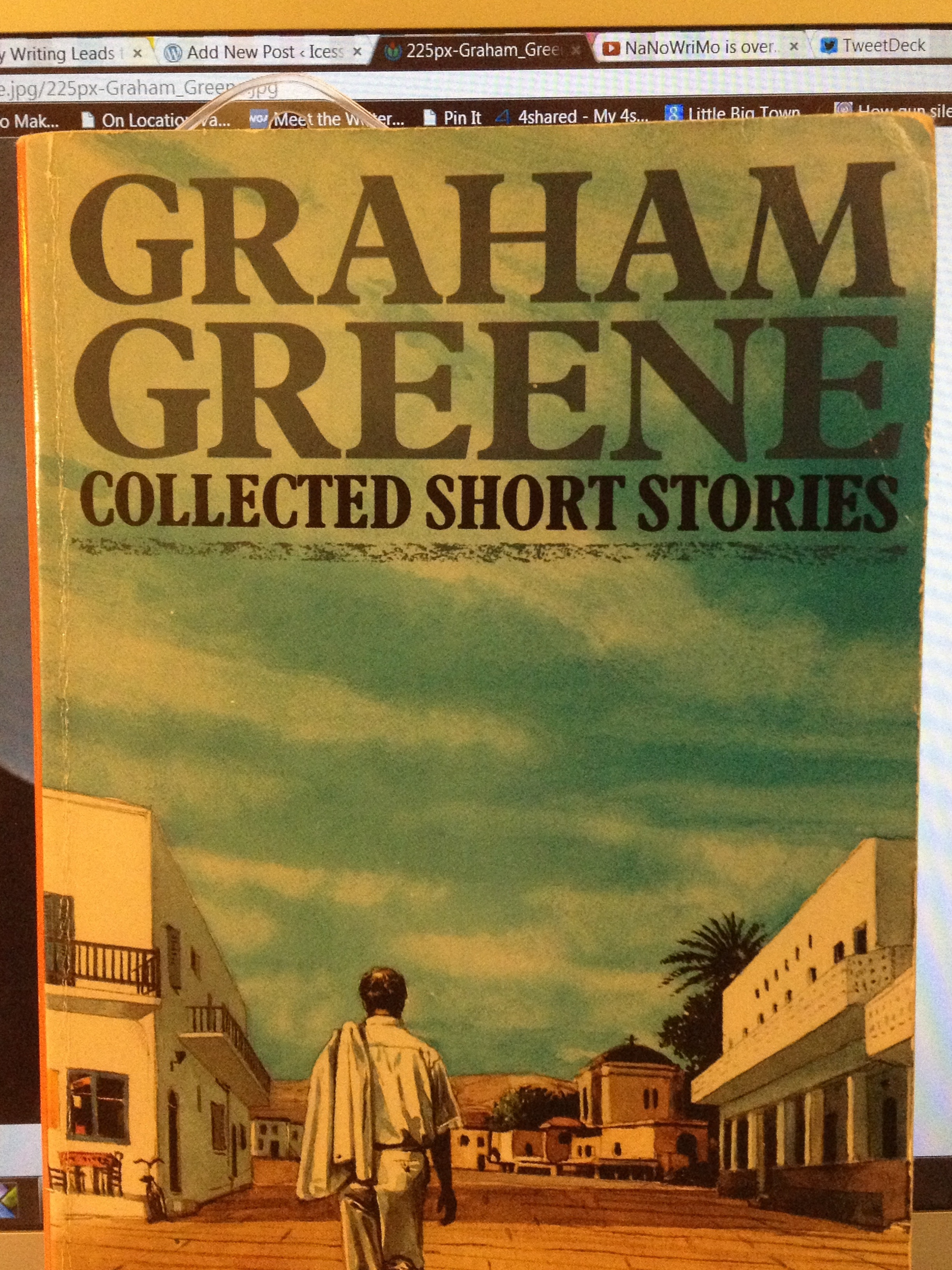
So, I picked up Graham Greene’s collection of short stories to see what I could learn from this master of storytelling. Here’s the long and short of it.

1.) And…action.

Greene starts all of his short stories in the middle of action. What I mean to say about this is not that the characters are in the middle of a stroll, but there are at the fork in the road of their lives. His characters are at the point when their lives are about to change and thus short stories are about THE moment.

For example, in the story The Second Death, Greene begins his story like this:

“She found me in the evening under the trees that grew outside the village. I had never cared for her and would have hidden myself if I’d seen her coming. She was to blame, I’m certain, for her son’s vices. If they were vices, but I’m very far from admitting that they were. At any rate he was generous, never mean, like others in the village I could mention if I chose.”

Notice how the start isn’t about how the evening was or the blossom on the trees. There is not any setting description at all. Greene gets on with the important stuff, the muck of the story — this relationship this character has with this woman and her son. In fact, this is so important that we don’t learn the names of the characters until much later in the story.

Also note that in the paragraph there’s some character development emerging. Since it’s first person point of view, we get the unfiltered thoughts of the main character toward others. It’s through those unfiltered thoughts that the reader learns not only about the disdain he has for others but there’s a window into his thought process — he’s not to blame for the “vices.”

2. ) There’s always something else going on

Greene is really good at this. In I Spy, the short short story (about a page and a half)  Charlie Stowe sneaks out of bed after he heard his mother snore. In a story that readers expect to be about Charlie’s unsupervised adventures in his house and his father’s attached cigar shop, the truth emerges in this passage:

“Charlie Stowe has no doubt, but he did not love his father; his father was unreal to him, a wraith, pale, thin, indefinite, who noticed him only spasmodically and left even punishment to his mother.”

Now, the story become about Charlie’s woes. But before the reader has had a chance to feel sorry for Charlie, he becomes a witness to his father’s demise. That’s when things change.

“He remembered how his father had held tight to his collar and fortified himself with proverbs, and he thought for the first time that, while his mother was boisterous and kindly, his father was very like himself, doing things in the dark which frightened him.”

Here’s where the lesson comes for the writer: this story is not about Charlie’s disdain for his father but the protagonist’s self-reflection. He saw his father in himself and therefore now we know what Charlie thinks about himself.

3.) It’s like this but somewhere else

How to say things without saying them? Symbolism helps. But you can also mirror a similar situation in other (typically secondary) characters. I like to call them parallels because it they parallel what is going in a certain part of the story. They also typically say the thing the character can’t and probably shouldn’t.

For this example, we go to Under the Garden when Wilditch leaves the doctors office with bad news. Real bad news. He’ll have to have a procedure done and he’s trying to keep a stiff upper lip. As he steps out into the world of “tall liver-coloured buildings” and “gusts of wind barely warmed by July” making the rain “aslant”, he overhears a conversation behind him.

“But it hurt,” the child’s voice said behind him.

“You make a fuss about nothing,” a mother–or a governess—replied.

After having a conversation with the doctor, Wilditch only hinted at how scared he was at the procedure he would have done. He’s scared about what it could mean about his quality of life, however, there is one fear he dare not speak about — the pain. It’s childish and he is not a child but a man. That’s where this parallel comes in. The reader doesn’t need to know the back story of these secondary characters; their purpose is to verbalize the fear. More than likely the reader had the same fear/question. Here is where the answer comes and response to it. Greene does this so effectively that he saves the character’s verbal fear and thoughts for later on in the story when he needs it.

So that’s what I learned from Greene so far about short story writing. I plan on finishing up a couple of more short stories before attempting my next one.

What are your tips for short story writing?